Homes fail quietly. Hairline cracks creep along plaster, doors stick in summer, and a once-straight garden wall bows ever so slightly. Often the culprit stands outside, green and handsome, rooting deeper year after year. Trees are invaluable for streetscapes, biodiversity, and shade, yet in the wrong place they can become a structural risk. If you are searching for tree felling near me or assessing tree removal near me because your foundations are at stake, this is a practical guide shaped by on-site experience, building pathology, and arboricultural best practice. It explains how trees threaten foundations, when removal is justified, what the process looks like, and how to make decisions that balance safety, law, and ecology.
The subtle ways trees damage buildings
Direct root pressure damages shallow, brittle structures, but that is rarely the main story. In the UK, the most common mechanism is moisture-related movement in shrinkable clay. Certain clays swell when wet and shrink when dry. Trees accelerate summer drying by transpiring thousands of litres through their leaves. The result is seasonal ground movement, known as subsidence when it causes structural damage. Subsidence is particularly associated with London Clay, Weald Clay, Mercia Mudstone, and Gault Clay, but lesser degrees occur in mixed drift and made ground with clay lenses.
A mature oak can draw 50,000 to 200,000 litres of water over a growing season. High-demand species such as willow, poplar, elm, eucalyptus, oak, plane, and certain conifers generate wider influence zones, sometimes extending distances equal to or greater than their mature height. Picture a 20 metre willow near a Victorian terrace with shallow footings, often no deeper than 450 millimetres. Each dry summer, the tree extracts moisture from a broad cone of influence. Clay contracts, the foundation sinks fractionally, cracks appear. Autumn and winter bring rehydration, some rebound occurs, cracks close a little, then open again next year. Over five or ten cycles, masonry and plaster fatigue, leading to stepped cracking, racked window frames, and slipped lintels.
Direct mechanical damage does occur, especially to drains, garden walls, patios, lightweight outbuildings, and surfaces where roots exploit joints or weaknesses. Roots do not “seek” water with intent, but they proliferate in hospitable zones, such as perforated pipe bedding and poorly compacted trenches. Once inside cracked drains, roots amplify leakage and destabilise surrounding soils.
Wind risk is the third piece. A structurally compromised or poorly rooted tree near a house carries obvious hazard, particularly during winter storms. Waterlogged ground reduces root-plate stability, while crown asymmetry increases sail effect. You remove such a tree to manage safety, not moisture.
When suspicion becomes evidence
Gut feeling has its place, but foundations deserve evidence. The path from concern to action usually follows a predictable set of steps and stakeholders, especially where insurance is involved.
- First indicators worth noting: Sudden, diagonal or stepped cracks around door and window openings, typically tapering, wider at the top than the bottom, 3 millimetres or more. Cracks that widen in late summer and narrow in winter. Sticking doors or windows, sloping floors near external walls, or a rippled line in wallpaper that was previously smooth. Patterns that correlate with a nearby thirsty tree on clay subsoil.
An insurer or structural engineer may request monitoring, often for 6 to 12 months. Precision crack gauges or tell-tales are installed, and periodic readings capture the seasonal pattern. An arboricultural consultant or tree surveyor may map species, height, distance to structure, and likely moisture demand. A site investigation with boreholes or trial pits can confirm soil profile, plasticity index, and foundation details. Drain surveys check for leakage that might mimic tree effects. The most persuasive case for tree removal comes from multiple strands of evidence pointing to the same mechanism and the same higher-risk tree or trees.
The law and what you are allowed to do
Before calling any tree removal services, check constraints:
- Tree Preservation Orders and Conservation Areas: Local planning authorities can protect individual trees, groups, or whole zones. If your tree is protected, you must apply for consent to prune or fell. In a Conservation Area, six weeks’ notice is required for trees above a specified stem diameter. Removing without consent risks prosecution, heavy fines, and a requirement to replant. Wildlife and timing: The Wildlife and Countryside Act protects nesting birds and certain mammals and bats. Bats regularly roost in cavities, under loose bark, and in deadwood. An ecologist may be needed for preliminary roost assessment. Works are often scheduled outside peak nesting season, typically avoiding March to August, though exact timing depends on species and site. Boundaries and ownership: Boundary trees can complicate matters. A tree’s owner is the landowner where the trunk stands. Neighbour disputes arise when roots cause damage next door. The legal route often involves correspondence, expert reports, and sometimes mediation. Keep everything documented. Highways and utilities: If the tree stands on public land, the Highways Authority or local council must be involved. Underground services, including gas, electric, telecoms, water, and sewer lines, must be located and protected during works.
Professional firms offering tree felling near me or tree removal services near me should handle consent checks as part of pre-works planning. Be wary of contractors who rush to cut without verifying constraints.

Not all solutions require immediate felling
Felling is decisive, yet it is not always the right first move. The arboricultural toolkit includes several interventions, each with trade-offs.
Selective crown reduction reduces the leaf area and therefore transpiration, potentially lessening clay shrinkage. Careful, modest reductions, often 10 to 20 percent by volume, may produce measurable improvement over a couple of seasons. Heavy reductions carry regrowth and structural risks, and repeated hard pruning can weaken a tree, increase decay, and push the problem forward rather than solving it.
Root pruning can be effective if done precisely, with specification and supervision by an arboricultural consultant. The risks are not trivial. Cutting critical roots can destabilise a tree, increase windthrow risk, or cause dieback. Root barriers are sometimes installed after root pruning to deflect future growth. Success depends on soil type, barrier depth and continuity, and the distance from foundation. In highly shrinkable clay, barriers can transfer moisture gradients, creating heave potential on one side and shrinkage on the other.
Tree species substitution is a long game. Removing a high-demand species and planting a low-demand, shallow-rooting alternative further from the structure can preserve amenity without the same risk profile. Consider small ornamental trees, multi-stems, or shrubs with contained root systems.
Drain repair is frequently overlooked. If a CCTV survey finds leakage or displacement near roots, fixing the drains can stabilise moisture locally. Do not assume the tree is the sole culprit.
When removal is the sensible choice
There are moments when felling a tree is the cleanest, safest option. Patterns that point toward removal include a well-documented subsidence cycle on clay, a high-demand species within its calculated influence zone of shallow foundations, and limited scope for pruning without disfiguring or destabilising the tree. Safety risks such as extensive decay, fungal fruiting bodies indicative of structural compromise, or a heaved root plate after storms make removal urgent.
Insurers sometimes insist on felling as a condition of subsidence claim settlement. Where Tree Preservation Orders apply, well-evidenced subsidence reports, soil tests, monitoring logs, and an arboricultural impact assessment form the basis of an application to remove. Expect the planning authority to request replanting, often at a location and with a species unlikely to repeat the problem.
Understanding the staged process of safe tree removal
Tree removal, performed competently, is methodical and calm. The days of a man with a chainsaw and guesswork are gone, replaced by risk assessment, rigging plans, and team communication. The exact method depends on access, size, species, defects, overhead lines, and the presence of nearby structures.
A typical sequence looks like this:
- Initial site survey: The team checks access width, parking, drop zones, escape routes, underground and overhead utilities, and neighbouring property sensitivities. Photographs capture pre-existing conditions. Risk assessment and method statement: Hazards are identified and control measures agreed. This includes exclusion zones, traffic management if near a road, and contingency for unpredictable defects in the tree. Consent verification: Evidence of TPO consent or Conservation Area notice is carried on site. If protected species surveys are necessary, those documents accompany the job pack. Set-up and pre-climb check: Ground crew cordon off the work area. A lead climber inspects the tree for weak unions, decay pockets, tight bark junctions, and cavities. Equipment is checked: climbing harness, ropes, friction devices, rigging blocks, slings, handsaws, chainsaws with appropriate bar lengths, and rescue kit. Sectional dismantling: In close quarters, the tree is dismantled in sections. The climber establishes a primary anchor point, often redirecting ropes to reduce shock loads. They remove peripheral branches first to reduce sail. Lowering lines, pulleys, and portawraps control descent of heavy timber, protecting roofs, greenhouses, fences, and garden features. Stem removal: Once the crown is down, the stem is either straight felled if there is clearance, or pieced down in rings. Controlled felling cuts, including bore cuts and holding hinges, reduce risk of barber chair or kickback. Stump treatment: Options include grinding to 200 to 300 millimetres below ground or deeper if replanting or paving is planned. Where regrowth is a concern, a professional herbicide application to fresh stump surfaces can prevent suckering, particularly in species like ash, poplar, or cherry. Herbicide use must be controlled and targeted. Waste management: Arisings are separated. Brush is chipped, trunk wood is cut for logs or millable lengths, and waste transfers with a licensed carrier. Clients often keep chip for mulch or logs for seasoning, which is worth discussing beforehand. Site make-good: Raking, sweeping, and minor turf repair return the site to order. Photographs confirm completion.
Well-run teams communicate constantly, using hand signals and radios to coordinate lowering. The atmosphere should be calm, not theatrical. If you are vetting a company advertising tree removal services near me, ask them to describe their rigging approach, safety protocols, and rescue plan. The detail in their answer tells you a lot about standards.
What stump grinding actually achieves
Many clients assume the stump is the source of future trouble and must be entirely removed. In reality, you need to decide what you want next in that spot. If you plan to lay a patio, replant, or reinstate lawn, grinding the stump and major lateral roots to 200 to 450 millimetres usually suffices. Deeper grinding to 600 millimetres occurs where driveway or building works are planned, though you must consider buried services. Grinding produces a mix of wood chip and soil that can be left to settle or carted away.
Stumps of certain species send up vigorous suckers from roots. Poplar, willow, and robinia are repeat offenders. Where this would be a nuisance, an arborist can apply an appropriate stump treatment immediately after felling. Always ensure they hold a valid PA1/PA6 qualification, and ask which active ingredient they are using and why. Responsible, selective application avoids collateral damage.
Heave, and why insurers worry about it
When a water-demanding tree on clay is removed, the ground can rehydrate and swell, pushing up foundations and causing heave. The fear of heave sometimes paralyses decision-making. Context matters. Heave risk is greatest where:
- The soil has a high plasticity index, meaning it changes volume markedly with moisture. The building is relatively new or extended with deep, stiff foundations restraining movement differentially. The tree was large, long-established, and close, creating a strong desiccation bowl. The structure sits on a raft slab or has underpinning on one side, which can concentrate uplift.
Engineers can estimate heave potential using soil tests and modelling. In practice, staged reductions over two or three seasons can moderate rebound, though this has to be balanced against ongoing subsidence and the tree’s health. In many suburban cases with shallow Victorian or Edwardian footings, the heave risk is real but smaller than feared, and careful drainage, reinstatement, and monitoring mitigate the outcome. Competent contractors and consultants will explain both sides and document the rationale.
Costs, quotes, and what a fair price includes
Prices vary by region, access, complexity, and disposal. Removing a small ornamental tree in an open garden may cost a few hundred pounds. A large mature tree overhanging a roof, with rigging, traffic management, and stump grinding, can run to several thousand. Planning constraints, bat surveys, or crane hire increase costs.
A proper quote should set out:
- Scope: full removal or crown reduction, stump grinding depth, waste handling, and any replanting. Constraints: need for TPO consent, Conservation Area notice, or ecological checks. Method: sectional dismantle, rigging plan highlights, crane or MEWP if applicable, and rescue plan reference. Insurance: public liability and employer’s liability certificates, typically £5 to £10 million cover. Qualifications: NPTC/LANTRA certifications for chainsaw and aerial operations, first aid. Timescale and sequencing: expected duration, access needs, parking suspensions, and noise windows.
Firms advertising tree removal near me or tree removal services near me should be as comfortable talking you out of a job as into one. A contractor who suggests monitoring or a lighter touch when appropriate is often the one to trust.
Choosing the right contractor, without the drama
One bad actor with a saw can create more risk than the tree ever did. Sharp sales tactics, cash-only deals, and instant promises are bright red flags. Credible arborists can explain tree biology, load paths, and why a certain reduction cut preserves branch collars. They carry proper PPE: helmets with visors, chainsaw trousers, ear protection, and rigging gear in good order. They talk through hazards and agree how to protect paving, sheds, or delicate borders. They will also decline to spike live trees during pruning, because spike wounds damage cambium and invite decay. Spiking is acceptable only in removals.
Ask for references from similar jobs on clay sites, and ask directly about their approach to subsidence cases. If they cannot say the words plasticity index, cohesion, or influence zone, they are less likely to understand why their work matters to your foundations.
How species and planting distances influence risk
Not all trees behave alike. Species matters, as do soil and distance. A simplified way to think about influence is crown radius plus headroom for future growth, but the more robust approach considers typical ultimate height and water demand in clay.
Willows, poplars, and elms sit at the high-demand end. Oaks and planes are substantial too, though with different rooting behaviours and seasonal rhythms. Silver birch is often cited as lower demand, but even birch can cause local desiccation in thirsty summers on shrinkable clay. Conifers vary widely; Lawson cypress and leylandii hedges can create significant dry zones along boundaries.
As a rule of thumb, plant large trees at least their mature height away from shallow-founded houses on clay. Mid-size trees deserve a setback of two-thirds of mature height. Small ornamentals can be closer, but still consider drains, services, and pavements. In loams and sands, desiccation effects reduce, though root intrusion into drains remains a factor. Good design anticipates maintenance: access for pruning, root barriers where appropriate, and species with predictable form.
Drains, soakaways, and the invisible network below
On many properties, the first failure point lies underfoot. Clay pipes with mortar joints, common in pre-1970s builds, are vulnerable to displacement and fracture. Once a root finds a leak, it colonises, thickening and widening the defect, and the bedding around the pipe can wash out. Subsidence then follows a path of least resistance.
Before removing a tree, commission a drain survey if there is any sign of mischief: slow drainage, foul smells, or damp patches. Repair options range from patch lining to full relining. Relining denies roots entry and can stabilise local soils. If a soakaway sits close to foundations and a large tree, you may need to relocate or redesign it, as trees can both exploit and impair soakaways.
What to expect after removal: timelines and monitoring
Clients often ask how quickly the house will “settle” once a tree goes. Movement in clay is seasonal. After felling, the ground begins to rehydrate, particularly in autumn and winter. Cracks that widened in late summer may partly close over the following wet season. Plaster repairs are often best delayed until at least one seasonal cycle passes, sometimes two. Your engineer may specify monitoring to confirm stabilisation before any structural repairs.
In gardens, light and moisture change dramatically. Lawns may flourish, beds need rebalancing, and shade-tolerant plants may sulk. If you ground the stump and leave chip in place, remember it sits nitrogen-poor for a time; add compost or allow it to decompose before planting heavy feeders. Where a replacement tree is planned, let the soil settle, then plant a lower-demand species further from the building, ideally with root guidance and a watering regime that encourages depth rather than surface spread.
Safety is not an accessory
Most accidents in tree work occur on routine jobs, not the dramatic ones. Ground saw work without chaps, a quick cut above shoulder height, a misjudged hinge, or a dropped section that rolls unpredictably can turn a tidy day ugly. You do not need to witness heroics. You need a team that has rehearsed aerial rescue, keeps the drop zone clear, and never allows a second task to distract the person managing ropes.
Professional outfits follow AFAG and industry guidance, season their practice with constant debriefs, and maintain their kit. If the crew is cavalier with your paving, chances are they are cavalier with rigging angles. Take five minutes at the start of the day to walk the site together, point out fragile elements, and agree communication. It costs nothing and prevents misunderstandings.
Real-world examples that shape judgement
Two case notes illustrate how context drives different decisions.
A detached 1930s house on London Clay presented with stepped cracking, up to 6 millimetres, widening each August. A mature poplar at 11 metres distance, estimated at 22 metres tall, dominated the south boundary. Monitoring over 12 months showed classic seasonal movement. CCTV revealed minor drain displacement, not near the cracking. The insurer approved removal with staged crown reduction first to moderate heave, then felling after nine months, followed by stump grinding. Post-removal monitoring over another year showed reduced amplitude of movement, and repairs proceeded. Heave potential had been considered moderate, but controlled intervention kept it manageable.
A Victorian terrace sat 4 metres from a mature oak with a TPO. The client suspected the tree after hairline cracks appeared, but the property lay over mixed sands and gravels with low plasticity. Crack widths did not correlate with seasonal dryness, and a drain survey found a leaking junction directly under the cracked wall. The oak stayed, the drain was lined, and minor repointing resolved the issue. Tree removal would have been unnecessary and, given the TPO, illegal without consent.
How the search terms map to real service choices
When you type tree felling near me or tree removal near me into a search bar, you are looking for availability and competence nearby. Local knowledge matters. A firm that has worked extensively on London Clay understands subsidence patterns better than one that mostly prunes parkland trees on chalk. Likewise, tree removal services near me should include subsidence-aware arborists, not just general tree maintenance.
Ask plainly whether they have handled insurer-backed subsidence claims, and if they are comfortable providing reports with species, height, distance, influence assessment, and photographs. If you receive competing advice, consider commissioning an independent arboricultural consultant who does not undertake the physical works, to separate specification from execution.
Replanting without repeating the problem
Removing a mature tree creates a hole in the landscape. Thoughtful replanting restores amenity, shade, and habitat, just without the foundation risk. Success comes from species selection and placement.
Choose lower water-demand trees with contained size, such as Amelanchier, Sorbus (rowan), Crataegus (hawthorn), or small maples like Acer griseum. Multi-stemmed forms offer presence at modest heights. Plant at a distance that respects future crown and root spread, and use formative pruning rather than drastic cuts later. Install a breathable root barrier if you must plant nearer than ideal, ensuring continuous depth and correct installation to guide roots down and away.
Water new trees deeply in their first two summers to encourage deeper rooting. Surface sprinkling drives roots to the topsoil, which you do not want close to foundations or paving. Mulch with wood chip to conserve moisture and suppress weeds, keeping it clear of the trunk flare.
Straight answers to common homeowner questions
Do all trees cause subsidence? No. Risk is a function of soil type, foundation depth, species water demand, distance, and local drainage. Many homes coexist with mature trees without trouble.
If I remove the tree, will my cracks disappear? They may close partially with seasonal rehydration, but repairs are usually needed. Engineers prefer to see stability over at least one season before invasive repairs.
Can I just cut the roots on my side of the boundary? Legally, you may remove encroaching roots to the boundary, but you could destabilise the tree and incur liability if it fails. Always seek advice and notify the neighbour.
How tree felling soon can you do the work? Good contractors schedule weeks ahead, longer in storm season. Protected trees lengthen lead time due to consent.
Is stump grinding noisy or messy? It is noisy while the grinder runs and produces chip, which can be reused as mulch or removed. A tidy team will sheet walkways and leave the site clean.
A measured way forward
Protecting foundations is about proportionality. Sometimes that means decisive removal by a capable team, sometimes measured pruning and monitoring, sometimes fixing a leaking drain and leaving the tree alone. Your best outcome comes from evidence, not fear. Start with soil and structure facts, use arboricultural judgement, respect legal protections, and select a contractor who can articulate risk and method in plain English.
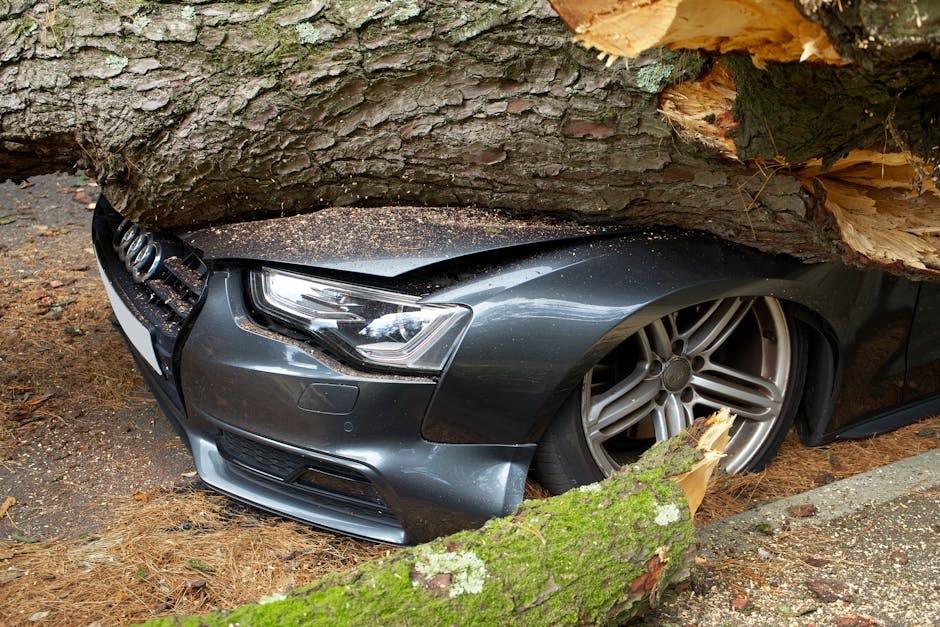
If you are weighing up tree felling near me, keep the focus on structural risk and site specifics. Where removal is warranted, the right tree removal services will bring both precision and restraint, from first rope throw to final rake. Where removal is not warranted, they will tell you so, and protect both your house and your landscape for the long term.
Tree Thyme - Tree Surgeons
Covering London | Surrey | Kent
020 8089 4080
[email protected]
www.treethyme.co.uk
Tree Thyme - Tree Surgeons provide expert arborist services throughout Croydon, South London, Surrey and Kent. Our experienced team specialise in tree cutting, pruning, felling, stump removal, and emergency tree work for both residential and commercial clients. With a focus on safety, precision, and environmental responsibility, Tree Thyme deliver professional tree care that keeps your property looking its best and your trees healthy all year round.
Service Areas: Croydon, Purley, Wallington, Sutton, Caterham, Coulsdon, Hooley, Banstead, Shirley, West Wickham, Selsdon, Sanderstead, Warlingham, Whyteleafe and across Surrey, London, and Kent.
Google Business Profile:
View on Google Search
About Tree Thyme on Google Maps
Knowledge Graph
Knowledge Graph Extended
Follow Tree Thyme:
Facebook |
Instagram |
YouTube

Visit @treethyme on Instagram
Professional Tree Surgeons covering South London, Surrey and Kent – Tree Thyme - Tree Surgeons provide reliable tree cutting, pruning, crown reduction, tree felling, stump grinding, and emergency storm damage services. Covering all surrounding areas of South London, we’re trusted arborists delivering safe, insured and affordable tree care for homeowners, landlords, and commercial properties.
❓
Q. How much does tree surgery cost in Croydon?
A. The cost of tree surgery in the UK can vary significantly based on the type of work required, the size of the tree, and its location. On average, you can expect to pay between £300 and £1,500 for services such as tree felling, pruning, or stump removal. For instance, the removal of a large oak tree may cost upwards of £1,000, while smaller jobs like trimming a conifer could be around £200. It's essential to choose a qualified arborist who adheres to local regulations and possesses the necessary experience, as this ensures both safety and compliance with the Wildlife and Countryside Act 1981. Always obtain quotes from multiple professionals and check their credentials to ensure you receive quality service.
❓
Q. How much do tree surgeons cost per day?
A. The cost of hiring a tree surgeon in Croydon, Surrey typically ranges from £200 to £500 per day, depending on the complexity of the work and the location. Factors such as the type of tree (e.g., oak, ash) and any specific regulations regarding tree preservation orders can also influence pricing. It's advisable to obtain quotes from several qualified professionals, ensuring they have the necessary certifications, such as NPTC (National Proficiency Tests Council) qualifications. Always check for reviews and ask for references to ensure you're hiring a trustworthy expert who can safely manage your trees.
❓
Q. Is it cheaper to cut or remove a tree?
A. In Croydon, the cost of cutting down a tree generally ranges from £300 to £1,500, depending on its size, species, and location. Removal, which includes stump grinding and disposal, can add an extra £100 to £600 to the total. For instance, felling a mature oak or sycamore may be more expensive due to its size and protected status under local regulations. It's essential to consult with a qualified arborist who understands the Tree Preservation Orders (TPOs) in your area, ensuring compliance with local laws while providing expert advice. Investing in professional tree services not only guarantees safety but also contributes to better long-term management of your garden's ecosystem.
❓
Q. Is it expensive to get trees removed?
A. The cost of tree removal in Croydon can vary significantly based on factors such as the tree species, size, and location. On average, you might expect to pay between £300 to £1,500, with larger species like oak or beech often costing more due to the complexity involved. It's essential to check local regulations, as certain trees may be protected under conservation laws, which could require you to obtain permission before removal. For best results, always hire a qualified arborist who can ensure the job is done safely and in compliance with local guidelines.
❓
Q. What qualifications should I look for in a tree surgeon in Croydon?
A. When looking for a tree surgeon in Croydon, ensure they hold relevant qualifications such as NPTC (National Proficiency Tests Council) certification in tree surgery and are a member of a recognised professional body like the Arboricultural Association. Experience with local species, such as oak and sycamore, is vital, as they require specific care and pruning methods. Additionally, check if they are familiar with local regulations concerning tree preservation orders (TPOs) in your area. Expect to pay between £400 to £1,000 for comprehensive tree surgery, depending on the job's complexity. Always ask for references and verify their insurance coverage to ensure trust and authoritativeness in their services.
❓
Q. When is the best time of year to hire a tree surgeon in Croydon?
A. The best time to hire a tree surgeon in Croydon is during late autumn to early spring, typically from November to March. This period is ideal as many trees are dormant, reducing the risk of stress and promoting healthier regrowth. For services such as pruning or felling, you can expect costs to range from £200 to £1,000, depending on the size and species of the tree, such as oak or sycamore, and the complexity of the job. Additionally, consider local regulations regarding tree preservation orders, which may affect your plans. Always choose a qualified and insured tree surgeon to ensure safe and effective work.
❓
Q. Are there any tree preservation orders in Croydon that I need to be aware of?
A. In Croydon, there are indeed Tree Preservation Orders (TPOs) that protect specific trees and woodlands, ensuring their conservation due to their importance to the local environment and community. To check if a tree on your property is covered by a TPO, you can contact Croydon Council or visit their website, where they provide a searchable map of designated trees. If you wish to carry out any work on a protected tree, you must apply for permission, which can take up to eight weeks. Failing to comply can result in fines of up to £20,000, so it’s crucial to be aware of these regulations for local species such as oak and silver birch. Always consult with a qualified arborist for guidance on tree management within these legal frameworks.
❓
Q. What safety measures do tree surgeons take while working?
A. Tree surgeons in Croydon, Surrey adhere to strict safety measures to protect themselves and the public while working. They typically wear personal protective equipment (PPE) including helmets, eye protection, gloves, and chainsaw trousers, which can cost around £50 to £150. Additionally, they follow proper risk assessment protocols and ensure that they have suitable equipment for local tree species, such as oak or sycamore, to minimise hazards. Compliance with the Health and Safety at Work Act 1974 and local council regulations is crucial, ensuring that all work is conducted safely and responsibly. Always choose a qualified tree surgeon who holds relevant certifications, such as NPTC, to guarantee their expertise and adherence to safety standards.
❓
Q. Can I prune my own trees, or should I always hire a professional?
A. Pruning your own trees can be a rewarding task if you have the right knowledge and tools, particularly for smaller species like apple or cherry trees. However, for larger or more complex trees, such as oaks or sycamores, it's wise to hire a professional arborist, which typically costs between £200 and £500 depending on the job size. In the UK, it's crucial to be aware of local regulations, especially if your trees are protected by a Tree Preservation Order (TPO), which requires permission before any work is undertaken. If you're unsure, consulting with a certified tree surgeon Croydon, such as Tree Thyme, can ensure both the health of your trees and compliance with local laws.
❓
Q. What types of trees are commonly removed by tree surgeons in Croydon?
A. In Croydon, tree surgeons commonly remove species such as sycamores, and conifers, particularly when they pose risks to property or public safety. The removal process typically involves assessing the tree's health and location, with costs ranging from £300 to £1,500 depending on size and complexity. It's essential to note that tree preservation orders may apply to certain trees, so consulting with a professional for guidance on local regulations is advisable. Engaging a qualified tree surgeon ensures safe removal and compliance with legal requirements, reinforcing trust in the services provided.
Local Area Information for Croydon, Surrey